
Earlier this year in April, our Quality Manager travelled to Gujarat, India, to visit the farmer groups and production facilities behind the organic psyllium we supply across Europe.
The purpose wasn’t simply to audit our producers; it was to further understand the product from the ground up.
As regulations around mineral oil aromatic hydrocarbons (MOAH) continue to evolve across Europe, we wanted to see every step of the supply chain ourselves – from sowing the seed to loading the finished bags into the shipping container, so that we could better understand where improvements can be made and continue providing our clients with premium organic psyllium.
Rather than relying solely on laboratory reports, we wanted to inspect the entire production chain with our own eyes.
Our objectives were clear:
- Visit our three trusted psyllium producers.
- Meet directly with the farmer groups responsible for supporting organic farmers.
- Observe harvesting and processing first-hand.
- Investigate potential sources of mineral oil contamination.
- Work together with our producers to implement practical improvements throughout the supply chain.
Nothing replaces seeing production at origin and having face-to-face discussions with the people involved every day.
Every Shipment Begins with a Farmer
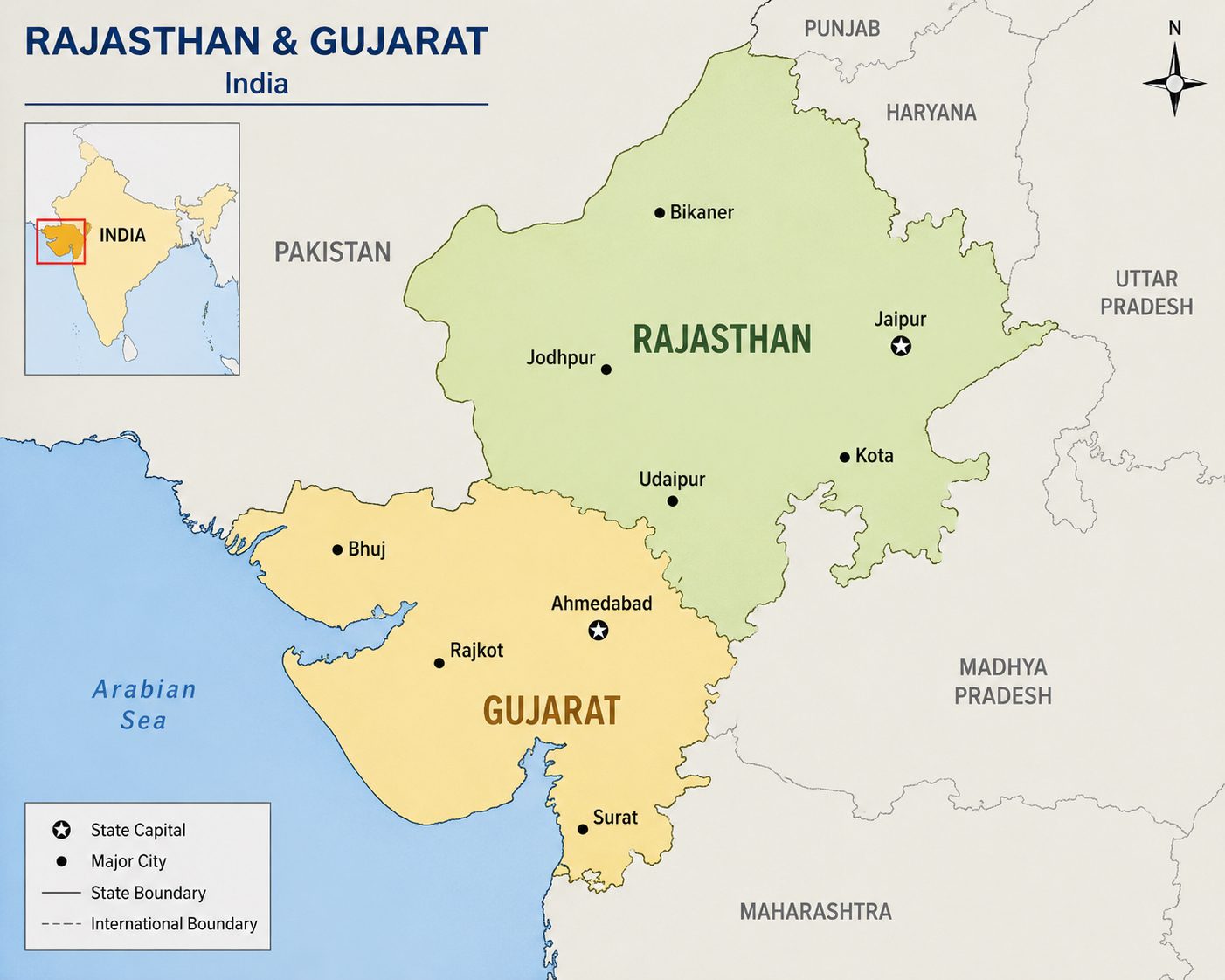
Although our producer facilities are in Gujarat, much of India’s psyllium is grown in neighbouring Rajasthan. The region’s sandy desert soil provides ideal growing conditions for psyllium. The crop thrives in dry climates with very little rainfall. However, climate conditions have become increasingly unpredictable.
It’s easy to think of psyllium as a finished ingredient packed into a bag. Every batch begins with hundreds of smallholder farmers, many of whom have been cultivating the land for generations.
Each farmer belongs to a farmer group also called an “Internal Control System (ICS)”, which provides organic training, regular inspections and ongoing support throughout the growing season.
Farming Is a Constant Balance

Harvest begins in March. But deciding exactly when to harvest has become increasingly difficult. Recent years have brought earlier and less predictable rainfall.
Harvest too early and the seeds haven’t fully matured. Wait a little longer for better quality and one unexpected storm can destroy months of work. One farmer shared that after waiting only a little longer to achieve better maturity, unexpected rain reduced his harvest by almost half.
It’s a reminder that quality isn’t created by machines alone. It begins with thousands of decisions made by farming families every single season.
Harvesting Hasn’t Changed Much
While modern technology has transformed many parts of food production, harvesting psyllium remains surprisingly traditional. Workers still harvest entirely by hand, in temperatures above 35°C, they spend hours kneeling between the rows, carefully cutting each plant before gathering it into piles ready for threshing. Watching the process gives a new appreciation for the effort behind every kilogram of psyllium.


Following the Product Through the Factory

Once the harvested seed reaches our processors, the process becomes remarkably technical. The first surprise is how many cleaning stages the product passes through:
Stones are removed and dust is extracted. Then metal particles are detected and magnets remove naturally magnetic impurities from the soil. Next, Optical Sortex machines scan thousands of seeds every second, using lasers to identify and remove discoloured seeds and foreign material. Only then does the gentle separation of husk from seed begin.
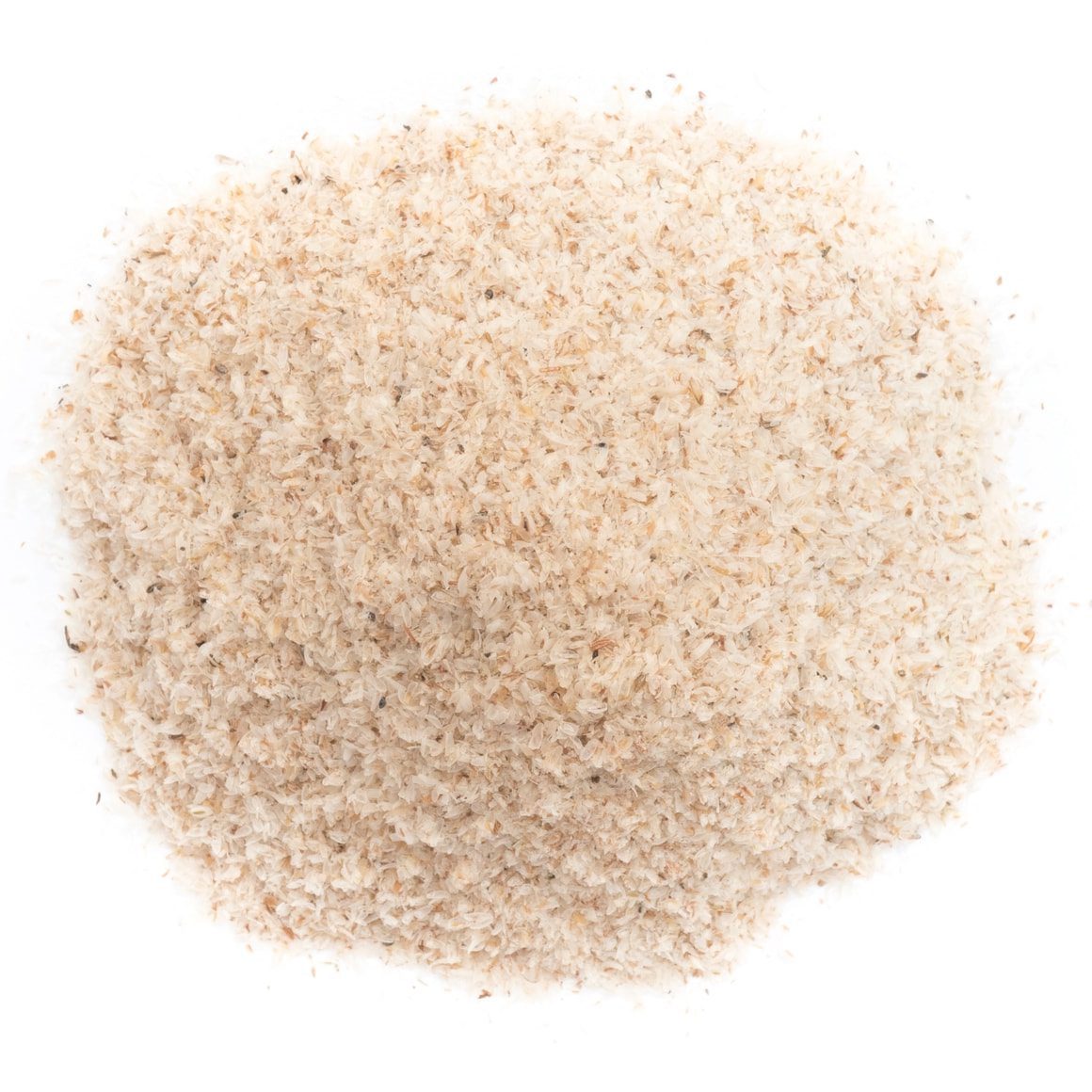
The husk is separated through multiple stages of milling, airflow and sieving until different grades are produced according to each client’s specification.

Despite the complexity, one thing stood out throughout every facility we visited. Very little is wasted. Shredded by-products become animal feed or industrial raw materials, making remarkably efficient use of the entire crop.
Looking Beyond the Laboratory
One of the main reasons for the visit was understanding MOAH.
Like many companies importing food ingredients into Europe, we’ve been working closely with our suppliers to reduce mineral oil contamination.
The progress has been significant. Through improved handling practices, better awareness and ongoing supplier training, contamination levels have fallen dramatically over the past few years. But standing inside the factories and speaking directly with suppliers highlighted something equally important. Not every laboratory result tells the whole story.
Scientists are increasingly finding that naturally occurring compounds within psyllium may sometimes resemble mineral oils during conventional analysis. As testing methods become more sophisticated, laboratories are becoming better at distinguishing genuine contamination from naturally occurring compounds.
This reinforces the importance of understanding both the science and the product itself.
Improving Together
One of the biggest lessons from the trip was that quality improvements don’t happen through emails alone. They happen through partnerships.
During our visit we worked directly with suppliers and farmer group managers to discuss practical improvements throughout the supply chain.

These included introducing food-safe polypropylene bags instead of traditional jute sacks where appropriate, upgrading machinery with food-grade lubricants, improving harvesting and storage practices, and continuing education programmes for farmers and field inspectors.
Organic Psyllium Supply Tightens Following Suspensions by APEDA
APEDA, India’s organic authority, earlier this year required that not only farmer groups but also each individual organic smallholder farmer registers with APEDA under the National Programme for Organic Production (NPOP). Since then, the situation has escalated further. Many farmers did not complete the new registration requirements and have subsequently been suspended by APEDA. As a result, their previously certified organic psyllium is no longer available to the market, even though it was originally grown according to organic standards. It just boils down to administrative red tape. Nevertheless, this reduces the overall supply of organic psyllium from India.
At the same time, many farmer groups that successfully retained their organic certification are responding to the tighter supply by increasing their prices substantially. In some cases, farmer groups cancelled existing contracts with processors and are requesting much higher prices for their raw material.
These developments are expected to put further pressure on availability and pricing in the coming months.
More Than a Supplier Visit
Travelling to origin isn’t simply about inspecting products. It’s about understanding the people behind them. Meeting farmers who carefully balance quality against unpredictable weather. Watching production teams constantly refine their processes. Working alongside suppliers who share the same commitment to continuous improvement.
Why It Matters
At Abbott Blackstone International, we believe quality starts long before a shipment reaches Europe.
It starts in the fields, and it continues through every conversation with our growers and processors, every improvement in processing, every training session with farmers and every investment made in understanding the products we source.
Despite the tightening of the organic psyllium supply and availability, we have organic psyllium seeds and psyllium husk powder available on order.
Contact us today for more information!